

Nigeria's 5G share grew 1.28 points in nine months
Nigeria's 5G share of mobile connections rose from 3.77 percent to 5.05 percent between December 2025 and September 2026. In Lagos and Abuja, 48 percent of 5G-capable devices now connect to 5G, so demand is ahead of coverage.
By JetherVerse News
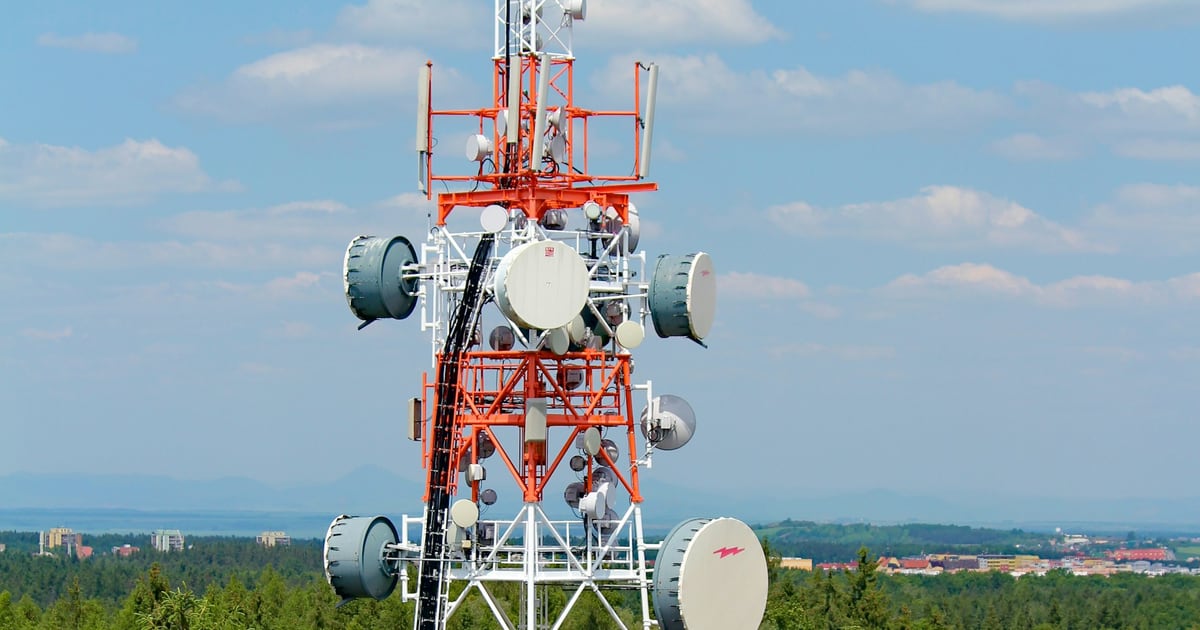
Nigeria's 5G market grew by only 1.28 percentage points in nine months, according to BusinessDay on 20 November 2026. Industry data show 5G's share of mobile connections rose from 3.77 percent in December 2025 to 5.05 percent in September 2026, an average gain of about 0.14 points a month.
Demand looks stronger than supply. A third-quarter Quality of Experience study by Ookla and the Nigerian Communications Commission, based on Speedtest crowdsourced data, found more 5G-capable devices connecting to 5G in the two largest cities. Between February and August 2026 the share in Abuja rose from 31.4 percent to 52.3 percent. In Lagos the share rose from 27.5 percent to 43.6 percent. Across both cities the figure moved from roughly 30 percent to 48 percent.
BusinessDay reads the gap as a sign owning a 5G phone does not guarantee 5G service. Consumer readiness is improving, but coverage, capacity and reliability remain constraints. The challenge for operators has shifted from persuading users to upgrade toward making sure spending on spectrum, base stations, fibre and network capacity delivers a better experience.
Data use shows the pressure. Subscribers consumed about 1.731 million terabytes in September 2026, against 1.756 million terabytes in August. September was a small dip, yet still the second-highest month on record. Mobile internet now supports banking, commerce, entertainment, education and remote work. BusinessDay asks whether operators are adding capacity fast enough to carry the traffic without hurting service quality.
Costs make the task difficult. The report lists expensive equipment, foreign exchange exposure, energy costs, fibre cuts and right-of-way charges as obstacles for operators. Households also face pressure on purchasing power, even as they spend on devices and digital services.
For businesses, the message is practical. Do not design products around 5G speed for every Nigerian user. Test apps on 4G and weak connections, keep page sizes and video loads light, and plan for strong performance in Lagos and Abuja first. Developers serving users outside those cities should keep checking coverage data before promising faster features.
Read the full report at BusinessDay.
Source: BusinessDay
Get the news in your inbox
The tech stories that matter from JetherVerse News, with the source on every one.