

NASA funds 302 small business projects for Moon and Mars tech
NASA's SBIR and STTR program selected 302 projects for up to $171 million in seed funding. Awards cover lunar batteries, rollable solar arrays and robotic arms with vision and touch sensing.
By JetherVerse News
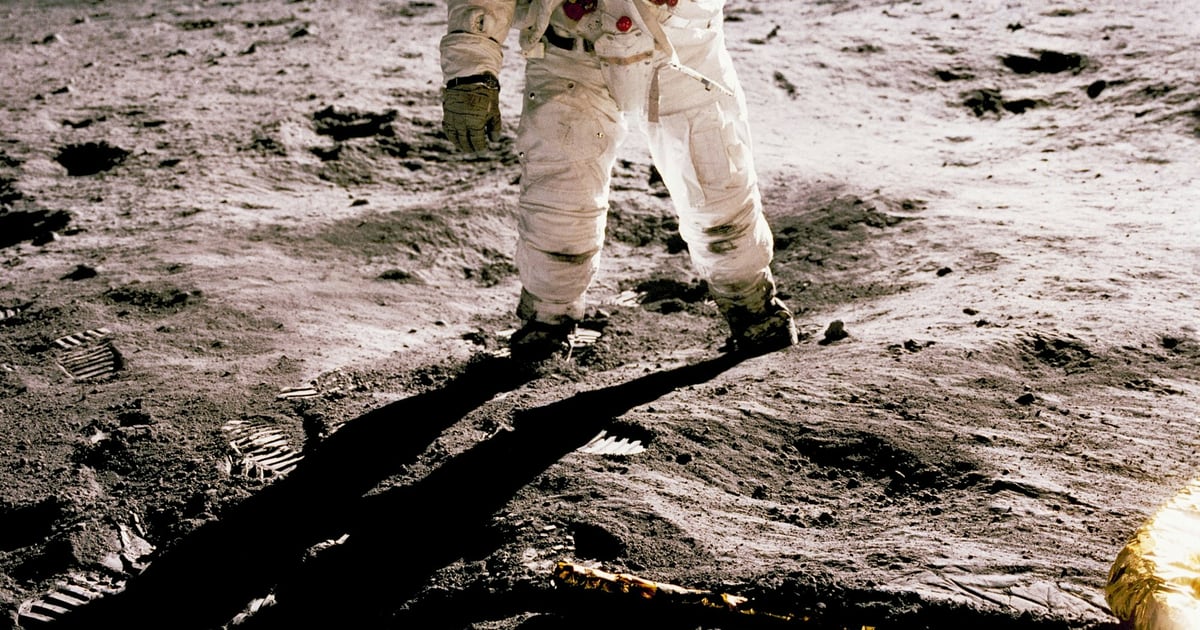
NASA announced on November 20, 2026 its Small Business Innovation Research and Small Business Technology Transfer program selected 302 projects for up to $171 million in seed funding. The awards target technology needs for Moon and Mars exploration, including work tied to Artemis and a US Moon Base, and feed the US space economy.
Selected projects include next-generation batteries, robotic systems with sensing for the extreme lunar environment, and tools to prepare for construction of infrastructure such as lunar landing pads. The program backs entrepreneurs, startups and small businesses with funding to develop and commercialize technology in phases, and the latest awards cover two of them. New Phase I contracts receive up to $225,000 each to test the merit and feasibility of an idea. Some are STTR awards, which go to small businesses partnered with research institutions. The 98 Phase II contracts carry up to $1.3 million each and continue Phase I work selected in 2025, aiming at demonstration and delivery.
NASA highlighted three examples. Opterus Research and Development received a Phase II award for a modular system of rollable solar arrays. Robots handle the arrays, they fit various support structures and they work in dusty conditions. The design scales to 50 kilowatts. Intelligent Fiber Optic Systems Corporation received a Phase I award for a 10-foot extendable robotic arm which pairs a camera with sensors for texture, contact force and temperature. Lunar rovers use the arm for tasks such as cleaning solar panels, positioning habitat structures and collecting samples, and on Earth the same arms inspect and repair power lines or nuclear reactors. Elementium Materials received a Phase I award for a battery module made for deep cold. The module runs down to minus 76 degrees Fahrenheit without active heating, which cuts the need for heaters and insulation and frees mass for other tools and science.
Why this matters: NASA funding turns small teams into suppliers for space missions, and the technology often has uses on Earth, such as cold-climate batteries and inspection robots. The program also shows a route for startups from a $225,000 feasibility grant to a seven-figure delivery contract.
If you build hardware or software for harsh environments, read the program rules on the NASA site and check the next solicitation.
Read the full report at NASA.
Source: NASA
Get the news in your inbox
The tech stories that matter from JetherVerse News, with the source on every one.