

Google and Blue Origin plan orbital data centers
Google signed a launch agreement with Blue Origin for Project Suncatcher, a plan to run AI chips on satellites in orbit. The first launch is scheduled for early 2029. Cooling, radiation and launch costs remain open problems.
By JetherVerse News
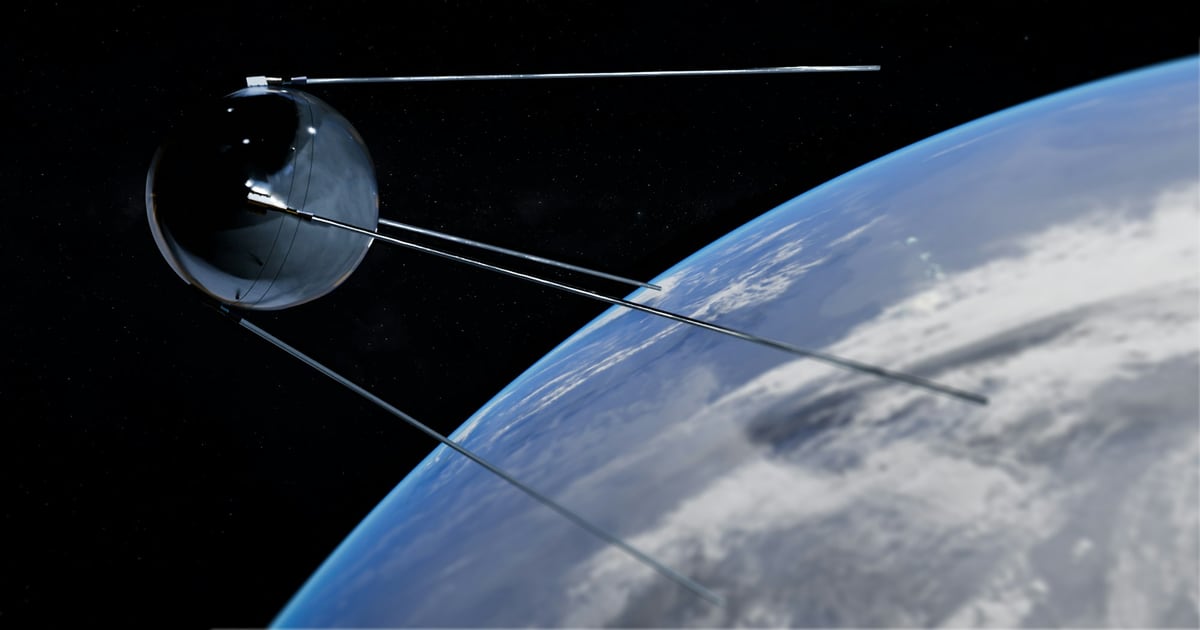
Google signed a launch agreement with Blue Origin to put small data center satellites in orbit as part of Project Suncatcher, according to Engadget on November 19, 2026. Each satellite carries roughly the capacity of a data center rack and flies on a New Glenn rocket into a sun-synchronous orbit. The load includes Google's TPU AI chips and data center servers. The first launch is scheduled for early 2029.
Google calls Suncatcher a long-term moonshot to test AI infrastructure in orbit using abundant solar power. Data centers on Earth strain electricity grids, land and cooling systems, and the hope is space eases these demands. Google launched its first AI server satellite in October into low-Earth orbit, but the unit operates for only 15 minutes at a time.
Engadget lists serious hurdles. Standard cooling fails in space, so heat leaves through pipes and panels. Radiation causes bit flips, which turn a one into a zero in binary code. Launch costs stay high, with one Falcon 9 flight costing around $74 million and a payload barely covering a small server room. Brandon Lucia, a professor at Carnegie Mellon University, told The New York Times a vast network of satellites takes years and enormous funds. Debris adds a further concern, since a dense orbit raises the risk of Kessler syndrome, a chain reaction of collisions.
Google is far from alone. Engadget says SpaceX has experimented with the idea and startups such as Starcloud work on the technology too.
AI demand keeps pushing power, land and cooling needs higher, and this deal shows how far companies go to find room. Treat orbital data centers as research, not capacity. With a first launch in 2029 at the earliest, businesses planning AI workloads need to plan around ground-based supply for years.
Watch for results from the existing test satellite. Its cooling, radiation handling and uptime numbers matter more than the launch agreement.
Read the full report at Engadget.
Source: Engadget
Get the news in your inbox
The tech stories that matter from JetherVerse News, with the source on every one.